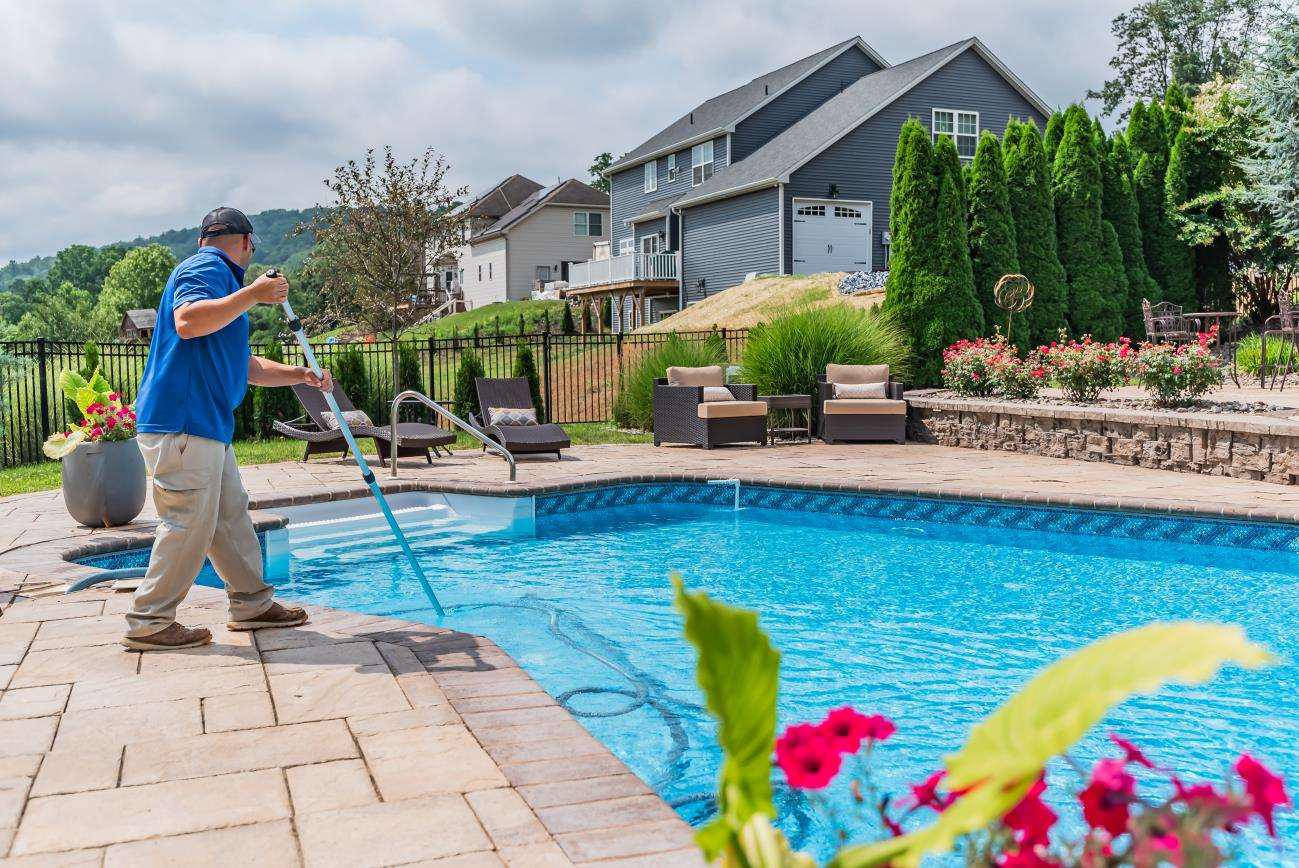
Summer is for swimming, but a pool is only enjoyed safely if it is protected the rest of the time
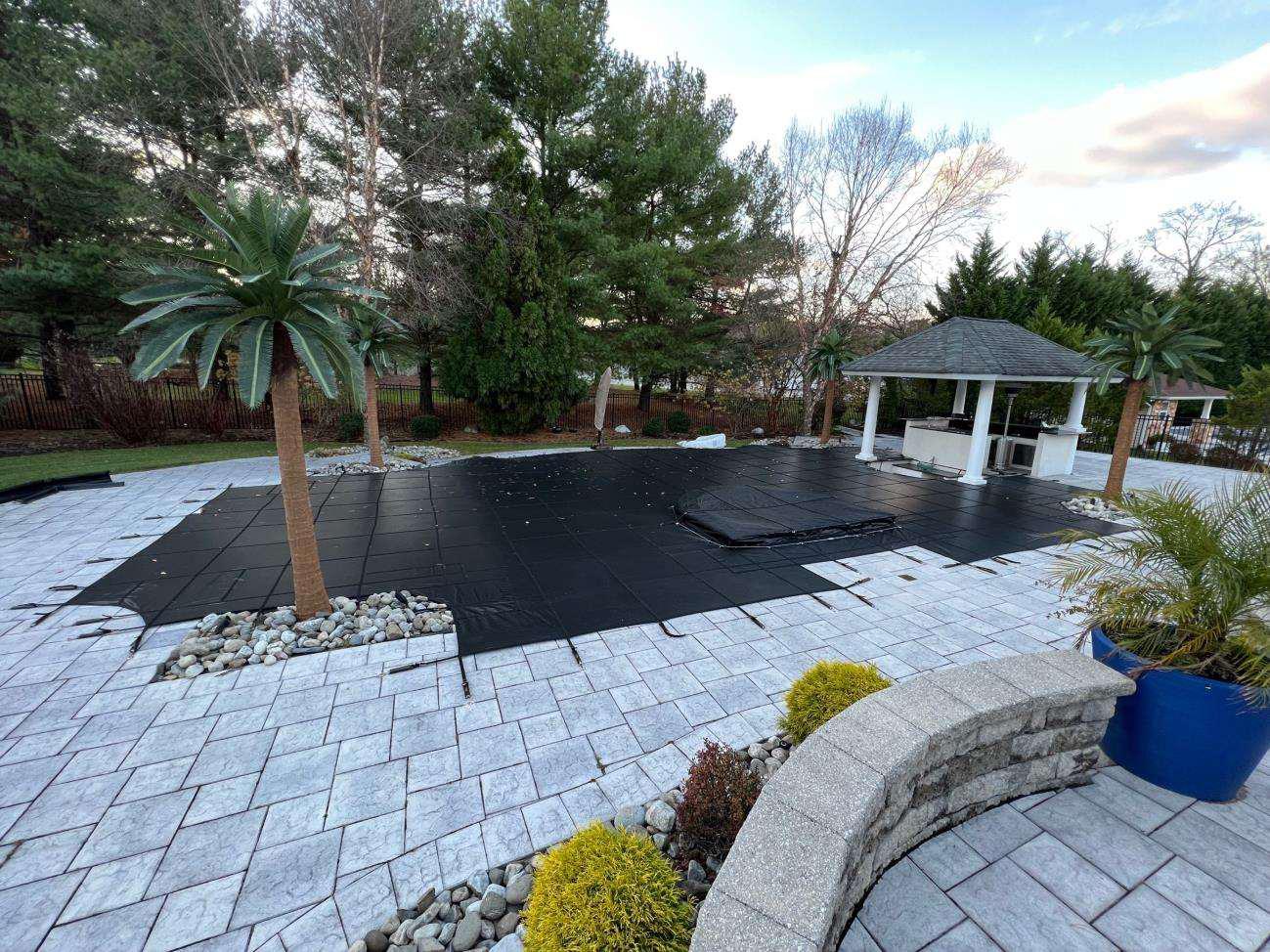
too. When the season has ended a properly rated safety cover is one of the most effective tools a
pool owner can invest in. This post looks at what makes a cover a true safety cover, why the
standard behind it matters, and how it fits into a broader plan for keeping your family and guests
safe.
Not all pool covers are created equal, and the difference matters. A basic winter cover or a
floating solar cover is designed to keep out debris or hold in heat, but it is not built to support
weight or block access. A true safety cover is a different category of product altogether,
engineered and tested against the ASTM F1346 standard. To earn that label, a cover must pass a
static load test that demonstrates it can support at least 485 pounds, roughly the combined weight
of two adults and a child, so that a rescue can take place if someone ends up on top of it. It must
also pass a perimeter deflection test, which confirms that no gap forms between the cover and the
pool wall large enough for a small child to slip through, along with a surface drainage test that
keeps rainwater from pooling dangerously on top.
A safety cover is not meant to replace other precautions, but it does add a layer of protection that
works even when no one is watching. According to the Consumer Product Safety Commission,
an average of 376 children under the age of 15 fatally drowned in pool or spa related incidents
each year between 2021 and 2023, and nearly 80 percent of those children were under the age of
five. Drowning prevention experts consistently recommend combining several layers of
protection rather than relying on any single measure, and a securely anchored, properly rated
cover is one of the strongest layers available for the times your pool is closed.
If you are shopping for a cover, look for one that is explicitly labeled as meeting or exceeding
ASTM F1346 standards, since not every cover on the market carries that certification. Mesh and
solid covers each have their advantages, and the right choice often comes down to your climate,
how much sun exposure your pool gets, and how much time you want to spend on upkeep. Once
installed, a cover should be inspected regularly for tears, worn straps, or damaged anchors, and it
should always be fully secured before it is left unattended. A cover that is not properly anchored
cannot do its job. At Goodall Pools & Spas, safety has been a core part of our mission since
1962, and we remain committed to helping families protect their pools with properly rated
equipment, expert guidance, and reliable service that keeps every backyard as safe as it is
enjoyable.
A Note Before You Dive In
This article is intended as a general overview and is not an exhaustive maintenance list or safety checklist. Every pool, spa, and property is different, so